March 18, 2026
Vehicle ownership brings freedom and convenience, but it also comes with responsibility. Routine maintenance and timely auto repairs help ensure that a car runs safely and efficiently for years. Many drivers ignore early warning signs because they seem minor, yet small problems often develop into costly mechanical failures if they are not addressed quickly. Understanding common repair issues helps car owners make better decisions about maintenance and recognize when professional service is needed.
Auto repairs can range from simple fixes like replacing filters or brake pads to more complex work involving engines or transmissions. Learning the basics about these systems allows drivers to identify symptoms early and communicate more effectively with mechanics. Knowing what to expect also helps drivers budget for maintenance and avoid unnecessary expenses.
Engine Repairs
Diagnosing Engine Problems
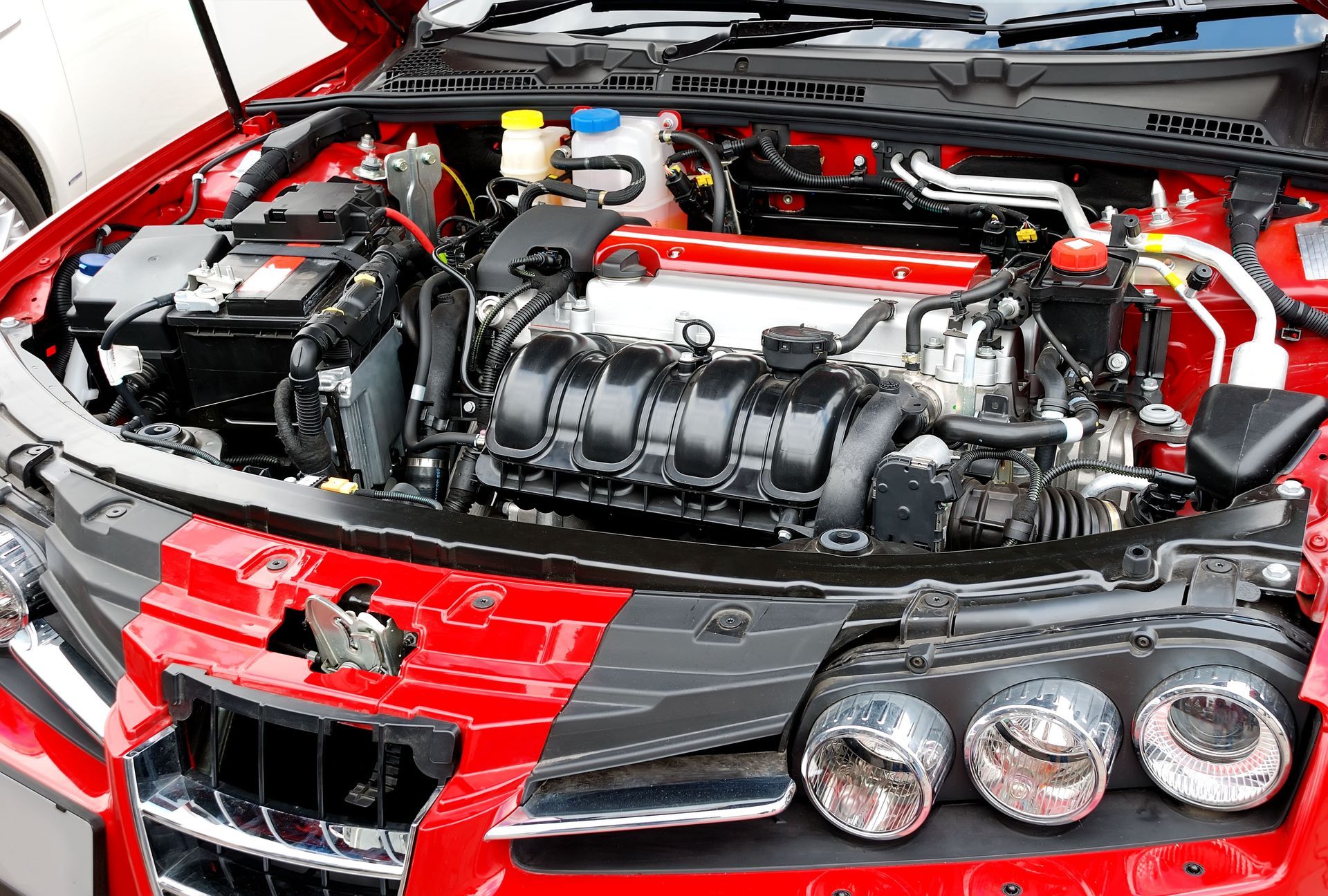
The engine is the heart of any vehicle, and problems within it often lead to significant performance issues. Drivers usually notice engine trouble through warning signs such as rough idling, unusual noises, decreased fuel efficiency, or the check engine light appearing on the dashboard. These symptoms often indicate that a system within the engine is not operating correctly.
Modern vehicles rely on computerized diagnostic systems that store error codes when something goes wrong. Mechanics often connect an OBD-II scanner to the vehicle to read these codes and determine the root cause of the issue. This process allows technicians to identify problems faster and plan the appropriate repairs.
According to World Metrics, engine issues are one of the top causes of vehicle repairs, accounting for 28% of cases. Because engines involve many interconnected components, even small malfunctions can affect overall performance. Prompt inspections and professional auto repairs help prevent minor issues from escalating into major damage.
Common Causes of Engine Failure
Several factors can contribute to engine failure. Overheating is one of the most frequent problems and usually occurs when the cooling system stops functioning properly. Coolant leaks, faulty thermostats, and malfunctioning water pumps can all lead to dangerously high engine temperatures.
Poor maintenance habits also play a major role. Skipping oil changes or using low-quality oil allows contaminants to build up inside the engine. Over time, this buildup increases friction and accelerates wear on important components. Belts and hoses also deteriorate with age and can break without warning if they are not replaced at recommended intervals.
Air filters, fuel injectors, and sensors are smaller parts that still play a crucial role in engine performance. When these components become clogged or worn, the engine struggles to maintain the proper balance of air and fuel. Keeping these parts clean and replacing them when necessary helps reduce the likelihood of costly auto repairs.
Cost of Engine Repairs
Repair costs vary significantly depending on the severity of the problem. Minor repairs, such as replacing sensors or fixing small leaks, may cost only a few hundred dollars. Larger repairs, including head gasket replacement or engine rebuilding, can cost thousands.
Labor expenses often make up a significant portion of the final bill. Auto repair shops typically charge hourly labor rates, and complex engine repairs can require many hours of work. Because of these costs, early diagnosis is extremely valuable. Catching a small problem early can prevent the need for extensive repairs later.
Many drivers compare the cost of repairs with the overall value of the vehicle before making a decision. When repairs approach the value of the car, some owners choose to replace the vehicle instead. Understanding these cost factors helps drivers plan for major auto repairs if they become necessary.
Preventative Maintenance
Preventive maintenance is one of the most effective ways to avoid serious engine problems. Regular oil changes keep internal parts properly lubricated and remove debris that could damage engine components. Checking coolant levels and inspecting belts and hoses also helps prevent unexpected failures.
Routine tune-ups improve engine efficiency and ensure that parts such as spark plugs and ignition components continue to function properly. During these service visits, mechanics often identify early warning signs of developing issues.
Driving habits also influence engine lifespan. Smooth acceleration, avoiding excessive idling, and maintaining consistent speeds reduce unnecessary strain on engine parts. Combining responsible driving with routine service greatly reduces the need for major auto repairs.
When to Seek Professional Help
While some basic maintenance tasks can be handled by car owners, many engine problems require professional attention. Persistent warning lights, unusual knocking sounds, or sudden power loss are signs that a mechanic should inspect the vehicle immediately.
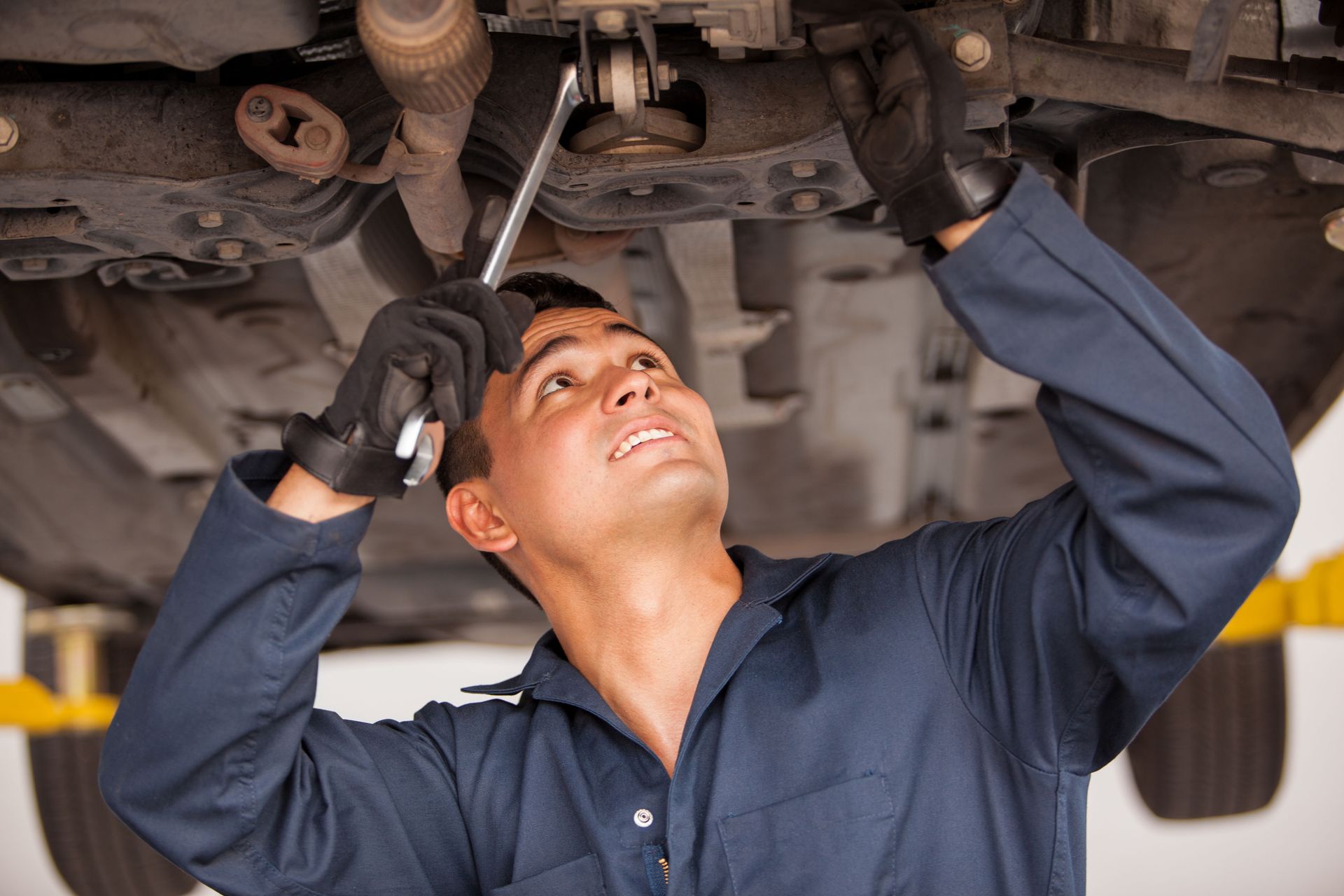
Professional technicians have specialized equipment that allows them to test engine performance and identify hidden issues. Attempting complex repairs without the proper tools or knowledge may worsen the damage and increase repair costs.
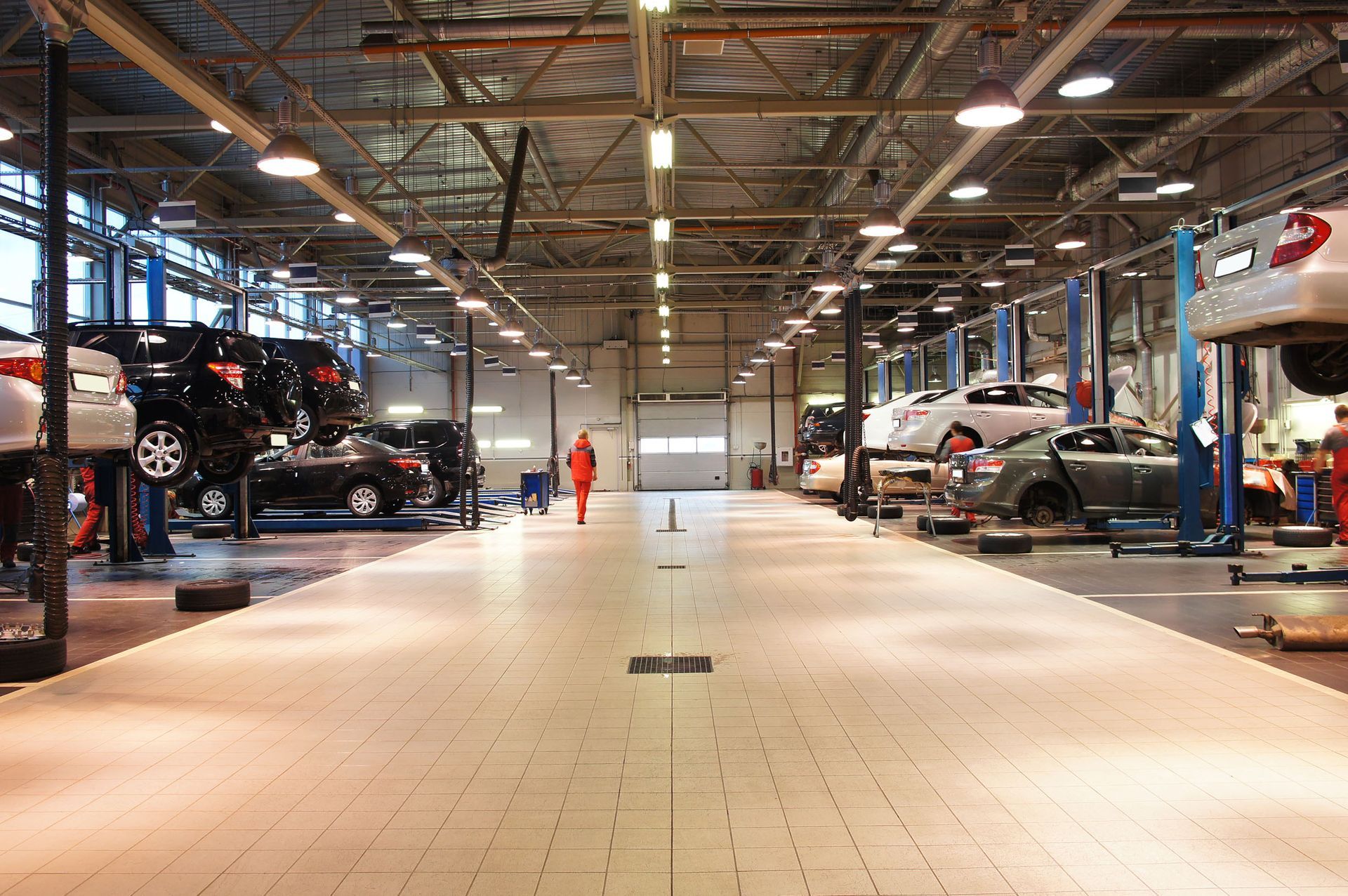
Finding a trustworthy repair shop is important for long-term vehicle care. Reliable mechanics provide clear explanations, accurate estimates, and quality parts. Building a relationship with a reputable shop ensures consistent service whenever auto repairs are needed.
Brake System Repairs
Recognizing Brake Wear
The braking system is one of the most important safety features in any vehicle. Drivers often notice brake problems through squealing or grinding noises when slowing down. These sounds usually indicate that brake pads are worn and need replacement.
Another common sign is increased stopping distance. If a vehicle takes longer to slow down than usual, the braking system may require immediate attention. Vibrations or pulsations in the brake pedal can also indicate warped rotors or uneven wear.
Brake warning lights and fluid leaks are additional indicators that repairs are needed. Addressing these issues early helps maintain vehicle safety and prevents more extensive damage to other braking components.
Types of Brake Repairs
Brake repairs typically involve replacing worn components such as pads or rotors. Brake pads wear down naturally as they press against the rotors during stopping. Replacing them regularly prevents damage to other parts of the braking system.
Rotors sometimes require resurfacing or replacement when they become warped or heavily worn. Calipers and brake lines may also require repairs if leaks or mechanical failures occur.
Modern vehicles include advanced braking systems such as anti-lock braking systems. These systems improve control during emergency braking but also add complexity when repairs are necessary. Regular inspections help ensure these systems function correctly and reduce the need for major auto repairs.
Brake Fluid Maintenance
Brake fluid transfers the force from the brake pedal to the braking components at each wheel. Without it, the system cannot operate effectively. Over time, brake fluid absorbs moisture and contaminants, which reduces braking efficiency.
Drivers should check brake fluid levels regularly and replace the fluid according to the manufacturer's maintenance schedule. Mechanics often perform fluid flushes during routine service appointments. Maintaining proper fluid condition ensures consistent braking performance and helps prevent costly repairs caused by corrosion or hydraulic system damage.
Costs Involved in Brake Repairs
Brake repair costs vary depending on the type of service required. Replacing brake pads is usually the most affordable repair, while rotor replacement or caliper repairs may cost more. Vehicle type, parts quality, and labor rates all influence the final price.
Regular inspections reduce overall costs because mechanics can identify wear before it becomes severe. Drivers who schedule routine brake checks often avoid the larger expenses associated with neglected braking systems.
Regular maintenance and timely auto repairs are essential for keeping your vehicle safe, reliable, and efficient. By understanding common issues—such as engine problems, brake wear, and transmission troubles—drivers can identify warning signs early and take appropriate action. Proactive care not only extends the life of your vehicle but also helps avoid costly repairs down the road. Staying informed and working with trusted mechanics ensures that your car continues to perform at its best for years to come. For more information, contact Alexander Automotive today.