September 21, 2026
Your vehicle's braking system is one of its most important safety features, allowing you to slow down, stop, and respond to changing road conditions. Although brakes are designed to withstand frequent use, their components naturally wear over time and can develop problems that affect performance. Brake failure rarely happens without a cause. Worn pads, damaged rotors, leaking fluid, overheated components, and other issues can gradually reduce stopping ability if they are not addressed. Recognizing the most common causes of brake problems can help drivers respond to warning signs before they become more serious. Scheduling a professional brake repair service when symptoms appear can also help restore proper braking performance and reduce the risk of additional damage to related components.
1. Wearing Down Brake Pads
Brake pads are designed to create friction against the rotors when the driver presses the brake pedal. Because this friction occurs every time the vehicle slows or stops, the pads gradually become thinner. Driving habits, vehicle weight, road conditions, and the type of brake pads installed can all influence how quickly they wear. Drivers who frequently travel in stop-and-go traffic or brake heavily may experience faster wear than those who spend more time driving steadily on open roads. Regular inspections can help drivers monitor this gradual wear and address thinning pads before their braking performance begins to noticeably decline.
Worn brake pads may cause squealing, grinding, longer stopping distances, or changes in the way the brake pedal feels. Continuing to drive after the friction material becomes excessively thin can allow metal components to contact the rotors, potentially creating additional damage. A brake repair service can inspect pad thickness and determine whether replacement is necessary. Replacing worn pads at the appropriate time can help protect other braking components and maintain dependable stopping performance. Staying attentive to these symptoms can make it easier to identify excessive pad wear and prevent unnecessary strain on the braking system.
2. Damaging Brake Rotors
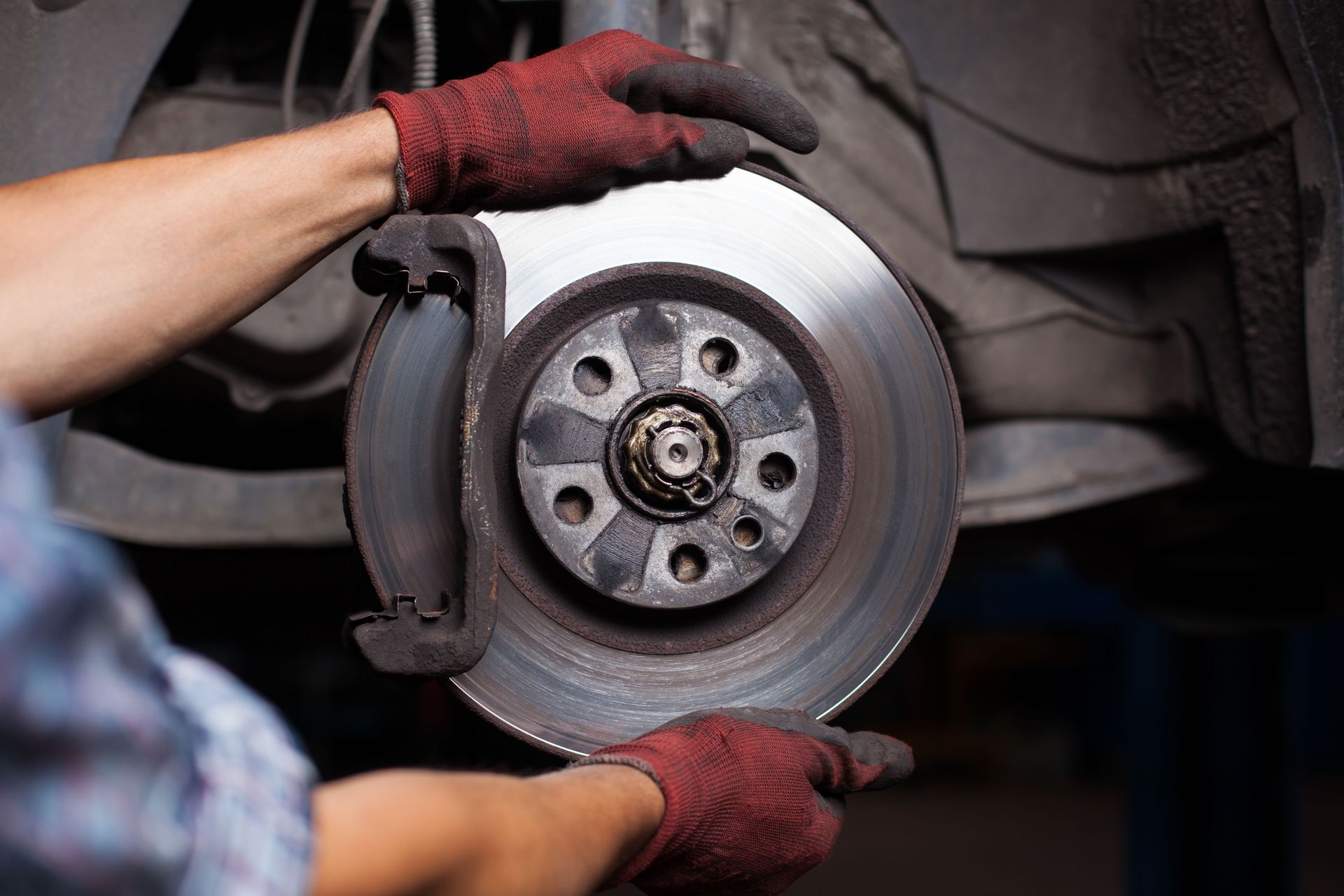
Brake rotors work together with the pads to create the friction necessary to slow the wheels. Over time, rotors can develop grooves, uneven wear, heat spots, or other surface damage. Excessive heat generated during repeated or aggressive braking can also cause rotors to warp or wear unevenly. When the surface is no longer smooth and consistent, the brake pads may not make proper contact, which can affect braking performance and create noticeable vibrations. Regular brake inspections can help identify changes in rotor condition before surface damage becomes severe enough to interfere with normal braking.
A common sign of rotor problems is a pulsing sensation through the brake pedal or steering wheel during braking. Drivers may also notice increased stopping distances or unusual noises. Depending on the condition and thickness of the rotor, a technician may recommend resurfacing or replacement. Having a brake repair service evaluate these symptoms can help determine whether the rotors are responsible and whether other parts of the braking system have experienced related wear. Addressing rotor problems promptly can also help reduce uneven brake pad wear and prevent additional stress on other braking system components.
3. Leaking Brake Fluid
Brake fluid transfers pressure from the brake pedal through the hydraulic system, allowing the brakes at each wheel to engage. If fluid begins leaking from a brake line, hose, master cylinder, caliper, or another component, the system may lose the hydraulic pressure required for effective braking. Even a relatively small leak can become a serious concern because fluid loss may gradually make the brake pedal feel soft or require greater pressure to stop the vehicle.
Drivers should pay attention to fluid beneath the vehicle, a brake warning light, or a pedal that feels unusually soft or sinks toward the floor. These symptoms should be inspected promptly rather than ignored. A professional brake repair service can locate the source of a leak, replace damaged components, and restore the proper fluid level. Because the hydraulic system is essential for transmitting braking force, maintaining it properly is critical to reliable operation.
4. Overheating Brake Components
Brakes generate heat whenever friction is used to slow a moving vehicle. Under normal driving conditions, the system is designed to manage and dissipate this heat. However, prolonged braking while traveling down steep grades, repeated hard stops, towing heavy loads, or aggressive driving can generate more heat than the components can effectively handle. Excessive temperatures may reduce friction between the pads and rotors, resulting in a temporary loss of stopping power commonly known as brake fade.
Repeated overheating can also contribute to glazed brake pads, warped rotors, or premature deterioration of other components. Drivers may notice a burning smell, reduced braking response, or a pedal that behaves differently after heavy brake use. According to Gitnux, one in four vehicles on the road will require repairs this year. Paying attention to changing brake performance and arranging a brake repair service when unusual symptoms develop can help identify heat-related damage before it contributes to more extensive problems.
5. Damaging Brake Lines and Hoses
Brake lines and flexible hoses carry brake fluid throughout the hydraulic system. These parts are exposed to moisture, road debris, temperature changes, and other environmental conditions that may cause deterioration over time. Metal brake lines can develop corrosion, while flexible hoses may crack, swell, or become damaged. Any weakness in these components can interfere with fluid movement or allow leaks that reduce hydraulic pressure.
Because some brake lines are located underneath the vehicle, damage may not always be obvious during everyday driving. Changes in pedal pressure, fluid loss, or reduced braking response may be among the first noticeable signs of a problem. During a brake repair service, technicians can inspect lines and hoses for corrosion, cracks, leaks, or other deterioration. Replacing weakened components before they fail can help maintain consistent pressure throughout the braking system.
6. Ignoring Brake Warning Signs
Many serious brake problems begin with smaller symptoms that provide drivers with an opportunity to seek service. Squealing or grinding noises, vibrations, pulling to one side, unusual pedal movement, dashboard warning lights, and increased stopping distances can all indicate that part of the system needs attention. Ignoring these changes may allow worn or damaged components to affect additional parts, making the problem more extensive over time.
Routine inspections are especially useful because not every developing issue produces an immediate or obvious symptom. A technician can check brake pads, rotors, fluid, calipers, hoses, and other components to identify wear before it significantly affects performance. Scheduling a brake repair service when warning signs appear can help drivers address the underlying problem rather than continuing to operate the vehicle with reduced braking ability. Prompt attention may also help prevent one damaged component from contributing to additional repairs.
Brake failure can result from several different problems, including worn pads, damaged rotors, leaking fluid, overheating, deteriorating brake lines, and ignored warning signs. Because these components work together as part of the same system, a problem in one area can eventually affect overall stopping performance. Drivers can help protect their vehicles by paying attention to changes in braking behavior, following recommended maintenance schedules, and arranging professional inspections when concerns develop. A qualified brake repair service can identify worn or damaged components and recommend the appropriate steps to restore dependable braking performance. If you have noticed unusual brake noises, changes in pedal response, or other signs that your braking system needs attention, contact Alexander Automotive.